
Key Takeaways & Homeowner Guide:
- The Biophilic Hypothesis: Formulated by biologist E.O. Wilson, humans possess an innate biological affinity for natural living systems and organic forms.
- Living Plant Hierarchy: Curate specimens with distinct growth habits: architectural floor trees (Ficus Alii), trailing foliage (Pothos), and textural statement leaves (Monstera).
- Natural Color Palettes: Sage green, terracotta clay, ochre, sandy stone, and charcoal echo natural landscapes to lower perceived cortisol.
- Sensory Multi-Modality: Integrate natural acoustic water features, non-toxic beeswax candles, and tactile linen throws for a holistic natural environment.
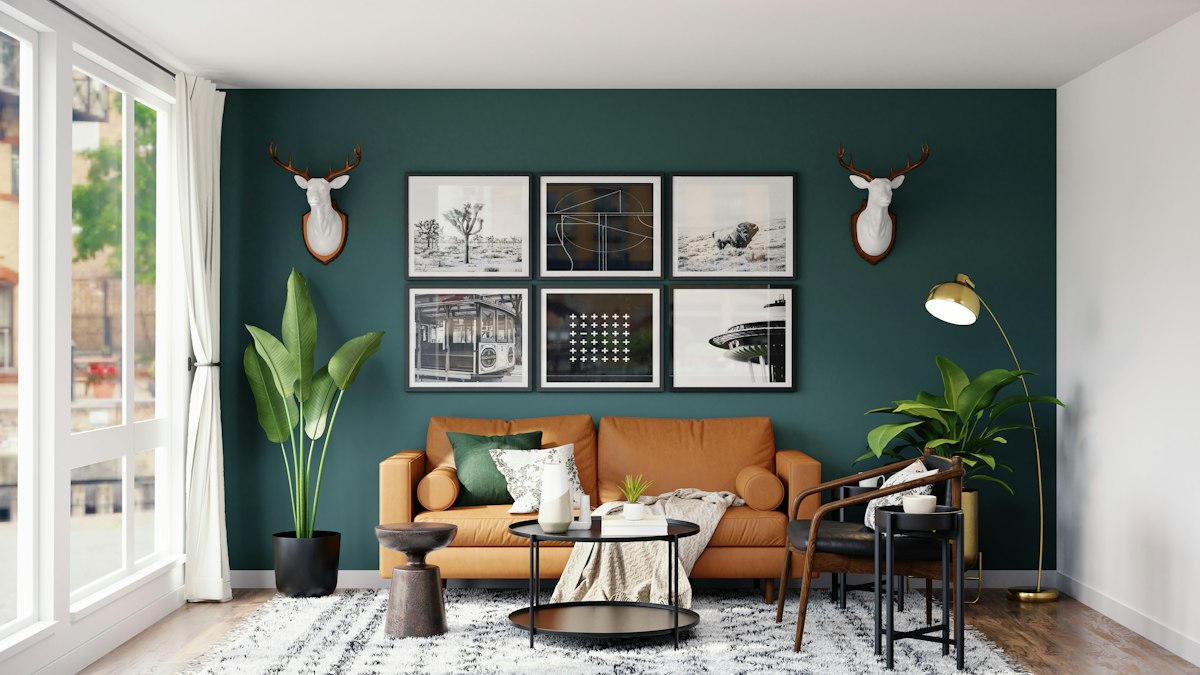
Reconnecting Architecture with the Natural World
Modern humans spend over 90% of their daily lives inside enclosed buildings. This prolonged isolation from natural light, changing seasons, and living flora creates subconscious psychological strain. Biophilic interior design is an evidence-backed framework that intentionally weaves nature’s patterns, living greenery, and organic materials into residential floorplans.
Clinical environmental psychology studies confirm that environments enriched with living botanicals lower heart rates, accelerate cognitive fatigue recovery, and reduce stress by up to 37% compared to sterile interiors.
Selecting the Right Botanical Anchor for Each Room
Avoid scattering dozens of tiny nursery pots across random tables. Instead, focus on scale and structural presence:
| Room Zone | Ideal Botanical Species | Care & Light Profile |
|---|---|---|
| Living Room Focal Point | Ficus Lyrata, Olive Tree, Bird of Paradise | Bright indirect light; architectural height up to 7-8 ft |
| Bedroom Nightstands | Sansevieria (Snake Plant), ZZ Plant | Tolerates low light; releases oxygen overnight via CAM photosynthesis |
| Bathroom Vanity | Boston Fern, Golden Pothos, Calathea | Thrives in warm humidity; cascades gracefully over shelving |
Earth-Inspired Color Chemistry
Biophilic decor goes beyond potted leaves; it embraces the chromatic palette of the natural world. Swap cold synthetic blue-grays for mineral-based paint washes. Consider walls washed in soft olive, chalky sage, rich terracotta, or warm sand. These hues establish a calm, timeless backdrop that complements timber flooring and linen drapery.
Homeowner Pro-Tip:
Upgrade plastic nursery pots to heavy, breathable clay or terracotta planters with drainage saucers. Unglazed terracotta allows roots to breathe and develops an organic mineral patina over time that adds character to the space.
The Bottom Line on Biophilic Living
Bringing the natural world indoors is one of the most effective ways to nurture wellness at home. Prioritize living plants, organic palettes, and natural materials to build a restorative sanctuary.