
Key Takeaways & Homeowner Guide:
- The HOA Governing Hierarchy: CC&Rs (Covenants, Conditions & Restrictions), Bylaws, and Community Rules regulate architectural modifications and pet policies.
- The Critical Reserve Study: Evaluates long-term repair funds for community capital assets (roofs, elevators, pools); reserve funding below 50% flags major financial risk.
- Special Assessment Dangers: When major capital repairs arise without adequate reserves, the HOA levies mandatory five-figure cash assessments on all owners.
- HOA Litigation Risks: Communities engaged in active construction defect litigation cannot obtain conventional Fannie Mae or Freddie Mac mortgage backing.
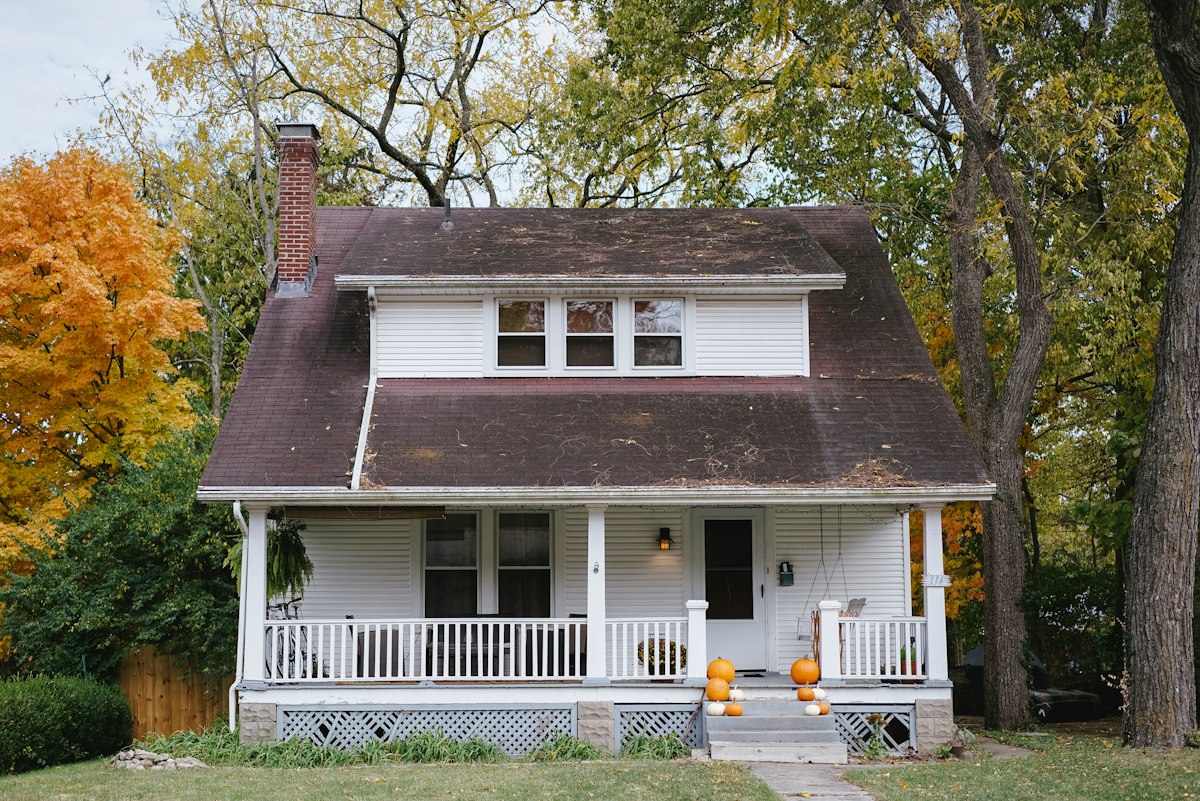
Living in a Common-Interest Community
Over 74 million Americans live in communities governed by a Homeowners Association (HOA), condominium board, or housing cooperative. HOAs offer attractive lifestyle perks: shared swimming pools, fitness centers, professional exterior landscaping, and consistent neighborhood architectural standards that protect property values.
However, purchasing an HOA property means entering into a shared financial and legal partnership with all other co-owners. Reviewing the association’s governing documents and balance sheets is just as critical as inspecting the physical property.
Decoding the Financial Health of an HOA
During your contract due diligence contingency period, carefully examine these primary financial disclosures:
| HOA Document | What It Discloses | Healthy Benchmark Target |
|---|---|---|
| Reserve Study | 30-year engineering forecast of major capital repair costs vs cash reserves | Funded ratio of 70% or higher is considered strong; under 40% is high risk |
| Operating Budget | Annual day-to-day maintenance, landscaping, trash, utility, and insurance costs | At least 10-15% of annual dues allocated directly to capital reserve funds |
| Meeting Minutes (Past 12 Mo) | Board deliberations regarding deferred repairs, neighbor disputes, fee increases | Transparent discussions; zero unaddressed structural or building envelope issues |
The Danger of the Special Assessment
When an HOA with poorly funded reserves must replace a community roof or resurface private roadways, the board has only one recourse: levying a Special Assessment. Every homeowner receives a mandatory bill?often ranging from $5,000 to over $40,000?that must be paid within months. Failing to pay can result in the HOA placing a legal lien on your home.
Homeowner Pro-Tip:
Scrutinize the HOA’s Master Insurance Policy deductible, particularly for hail and wind damage. Some boards have increased association deductibles to $50,000 or 5% of building value to keep dues low, leaving individual owners responsible for massive loss-assessment charges after severe weather.
The Bottom Line on HOA Due Diligence
A well-managed HOA preserves property values and provides effortless community living. Review reserve studies and association meeting minutes with care to ensure your community investment remains financially sound.