
Key Takeaways & Homeowner Guide:
- Cross-Cultural Fusion: Japandi is the design intersection of Scandinavian hygge (coziness and practical function) and Japanese wabi-sabi (beauty in transience and imperfection).
- Low-Profile Silhouette: Furniture pieces sit closer to the floor, honoring traditional Japanese tatami living while emphasizing vertical ceiling heights.
- Contrast Dynamics: Pale Scandinavian pine and birch pair harmoniously with rich Japanese cedar, dark charcoal, and blackened teak.
- Intentional Restraint: Every accessory must serve a dual purpose of utility and quiet contemplative beauty.
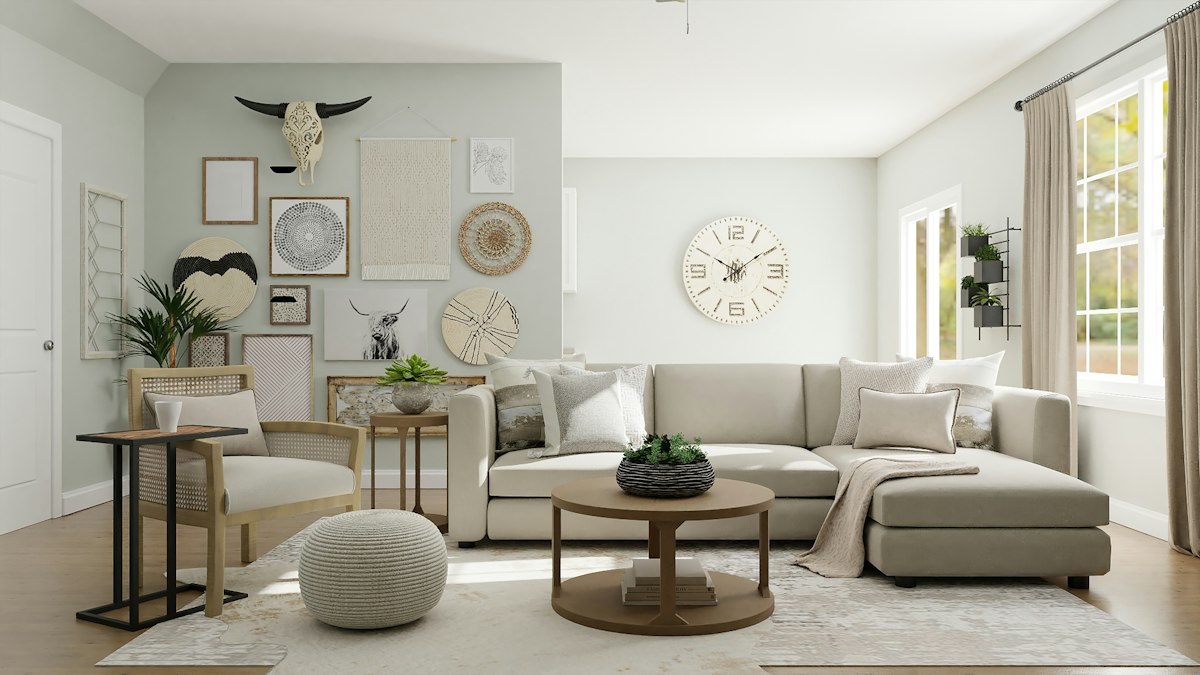
The Marriage of Two Minimalist Philosophies
Though separated by thousands of miles, Japanese and Scandinavian design traditions share a profound philosophical lineage. Both revere natural craftsmanship, prioritize clean utilitarian simplicity, and reject the frivolous excesses of consumer trends. Japandi is the modern evolution of this mutual admiration.
While Scandinavian design brings warm comfort, ergonomic coziness, and light-reflecting palettes, Japanese design introduces deep mindfulness, spatial reverence (ma), and an embrace of raw natural weathering (wabi-sabi).
The Signature Elements of Japandi Interiors
To translate the Japandi philosophy into a residential living space, focus on these defining architectural pillars:
| Pillar | Scandinavian Influence | Japanese Influence |
|---|---|---|
| Woodwork | Blonde ash, pale beech, white-oiled pine | Dark walnut, charred Yakisugi cedar, Hinoki wood |
| Furniture Lines | Clean mid-century curves, ergonomic cushions | Low platform seating, rectilinear sliding partitions |
| Decorative Objects | Cozy woven wool throws, ceramic mugs | Handmade kintsugi pottery, ikebana single-stem botanicals |
Creating Spatial Harmony with ‘Ma’
In Japanese aesthetics, Ma refers to the conscious appreciation of empty space. Instead of filling every blank corner with an accent table or floor lamp, Japandi honors empty walls and uncluttered floorboards as active aesthetic participants. Negative space allows the eye to rest and highlights the subtle beauty of chosen heirloom pieces.
Homeowner Pro-Tip:
Incorporate Akari-style rice paper lanterns (originated by Isamu Noguchi). Their delicate mulberry paper diffuses harsh LED light into a warm, amber glow that softens timber surfaces and creates immediate evening tranquility.
The Bottom Line on Japandi Serenity
Japandi is far more than a decorative style; it is a mindful approach to home life. By prioritizing quality over quantity, natural noble materials, and quiet simplicity, you build a restorative sanctuary built for calm contemplation.